Which Best Describes a Regulatory Function of the Skeletal System
IanneaaPoints 145 Log in for more information. The skeletal system creates blood cells.
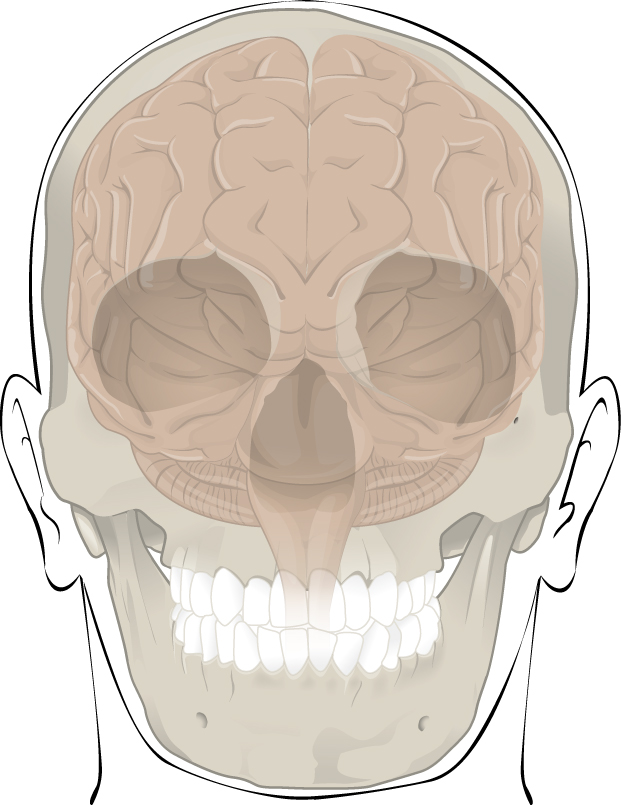
The Functions Of The Skeletal System Anatomy And Physiology
Bones work in concert with tendons joints ligaments and skeletal muscles to produce various movements.
. Blood cell formation and lipid storage. Regulatory functions of the skeletal system include. Together they perform the following functions.
Check all that apply. Functions of the Skeletal System. Support Movement and Protection.
The first and most apparent function of the skeletal system is to provide a framework for the body. The skeletal system is the body system composed of bones and cartilage and performs the following critical functions for the human body. Almost all the rigid or solid parts of the body are the main components of the skeletal system.
Figure 611 Functions of the skeletal system. Mineral Storage Energy Storage and Hematopoiesis. Support Movement and Protection.
Nutrients are provided to bone through blood vessels that are contained within canals in bone. Bones enable body movements by acting as levers and points of attachment for muscles. Support Movement and Protection.
Important functions of the skeletal system include Protection of the brain and soft organs Bones play an important role in regulating blood __________ levels which must be maintained within narrow limits for functions such as muscle contraction and. The skeletal system is the body system composed of bones and cartilage and performs the following critical functions for the human body. Storage of lipids and calcium.
Bone cells capable of breaking down bonds are termed. Some functions of the skeletal system are more readily observable than others. When you move you can feel how your bones support you facilitate your movement and protect the soft organs of your body.
Stores and releases minerals and fat. As a component of the skeletal system a major function of bone is to assist in movement. The skeletal system stores nutrients such as calcium and potassium for later use in the body.
The presence of a firm bony skeleton allows the organism to have a distinctive shape adapted towards a particular lifestyle. The skeletal system functions as the basic framework of a body and the entire body are built around the hard framework of Skeleton. The functions of the skeletal system are the following.
Skeletal muscles also protect internal organs particularly abdominal and pelvic organs by acting as an. Red bone marrow functions in the formation of. To provide the body with a strong and mobile framework to allow the body to move and to supply the body with blood cells and minerals.
Which of the following are functions of the skeletal system. Osseous tissue is classified. Bones provide a framework for the attachment of muscles and other tissues.
To provide the body with a strong and mobile framework to allow the body to move to protect internal organs from sunlight bacteria and injury to supply the body with blood cells and minerals. We will further learn about the functions of each kind of bone forming the skeletal system in detail. These muscles allow functions such as swallowing urination and defecation to be under voluntary control.
The skeletal system is the body system composed of bones and cartilage and performs the following critical functions for the human body. Bone or osseous tissue is a hard dense connective tissue that forms most of the adult skeleton the support structure of the body. The skeleton gives the human body its support shape and form.
Skeletal muscles are located throughout the body at the openings of internal tracts to control the movement of various substances. Skeletal system The skeleton is the central structure of the body and is made up of bones joints and cartilage. Bone marrow produces red and white blood cells which help carry oxygen through the blood and fight diseases.
The three main functions of the skeletal system are. Support and blood cell formation. Of the five major functions of the skeleton the two that depend on the dynamic nature of bone are.
Select the statements below that accurately describe the functions of the skeletal system. The sarcomere is the smallest functional unit of a skeletal muscle fiber and is a highly organized arrangement of contractile regulatory and structural proteins. It is the combination of all the bones and tissues associated with cartilages and joints.
Like the steel framework of a building the functions of the skeleton and the bones is to provide rigidity which gives the body shape and supports the weight of the muscles and organs. The skeletal system serves all of the following functions EXCEPT. List and describe the functions of the skeletal system.
The skeleton provides the framework for muscles and gives the body its defined. It is the shortening of these individual sarcomeres that lead to the contraction of individual skeletal muscle fibers and ultimately the whole muscle. Without this structure the body would collapse in on itself compressing the lungs heart and other organs--impairing their function.
Which of the following sentences best describes the composition of a flat bone. The human skeletal system is responsible for six major functions in our body which include protection movement support storage of minerals production of blood cells and endocrine regulation. Support and storage of minerals.
Maintaining blood calcium levels. Stores and releases minerals and fat. The skeletal system helps to protect vital organs.

Bone And Calcium Boundless Anatomy And Physiology

Introduction To Skeletal Muscle Boundless Anatomy And Physiology
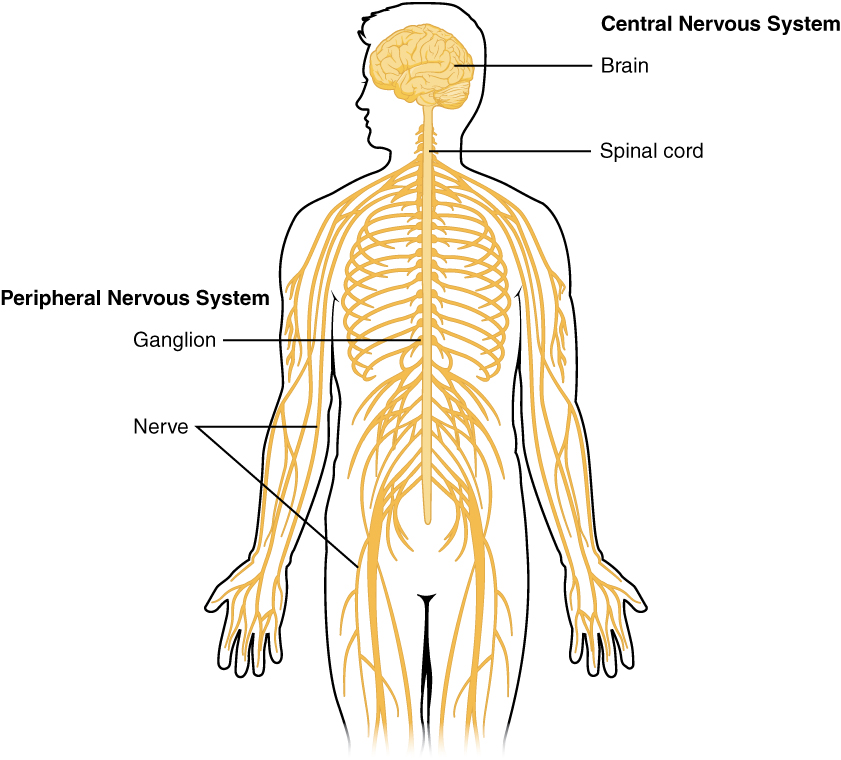
Basic Structure And Function Of The Nervous System Anatomy And Physiology
Basic Structure And Function Of The Nervous System Anatomy And Physiology

Comments
Post a Comment